Food Grade Stainless Steel Wire Mesh Supplier for Food Processing
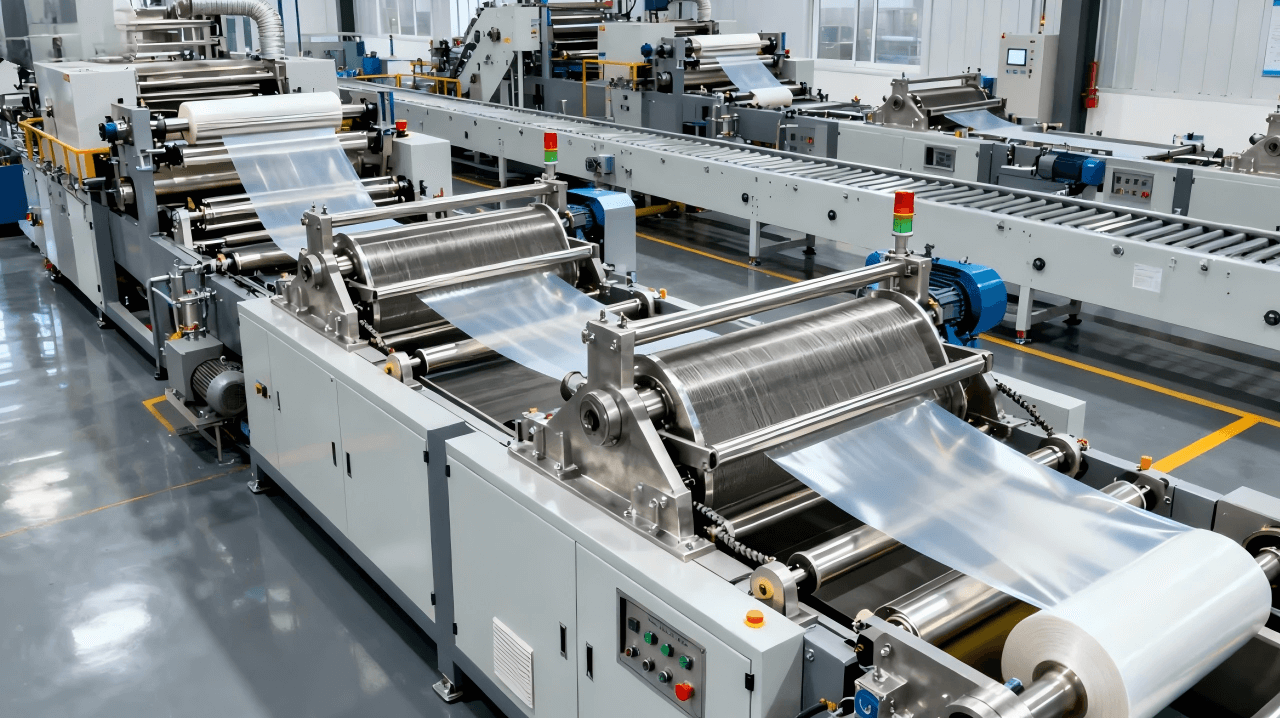
Food grade stainless steel wire mesh is a critical component in modern food processing, ensuring product safety, quality, and compliance with global food regulations. As a specialized supplier, understanding the technical aspects, applications, and trends of this material is essential for businesses looking to optimize their processing operations.
What is Food Grade Stainless Steel Wire Mesh?
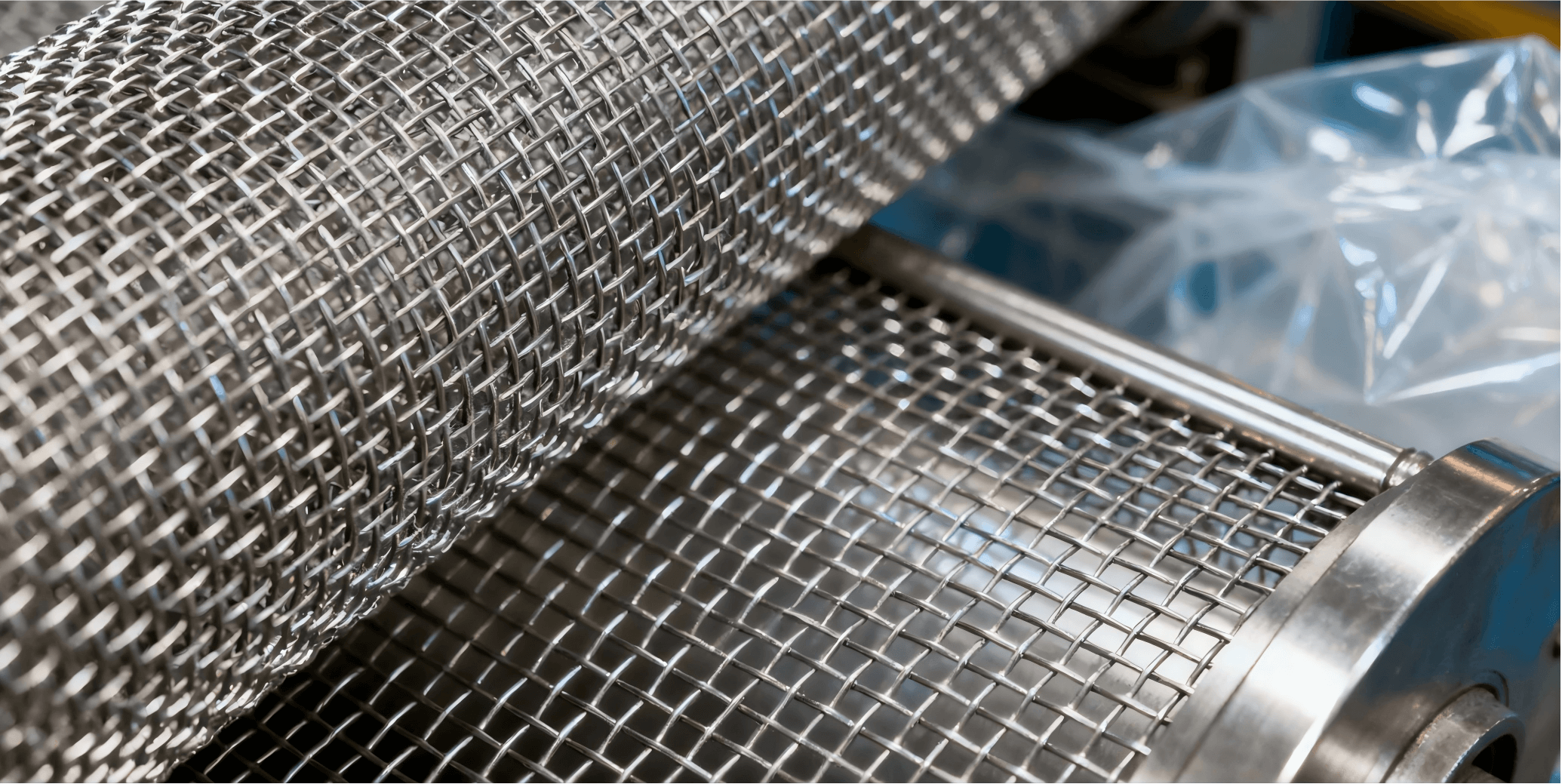
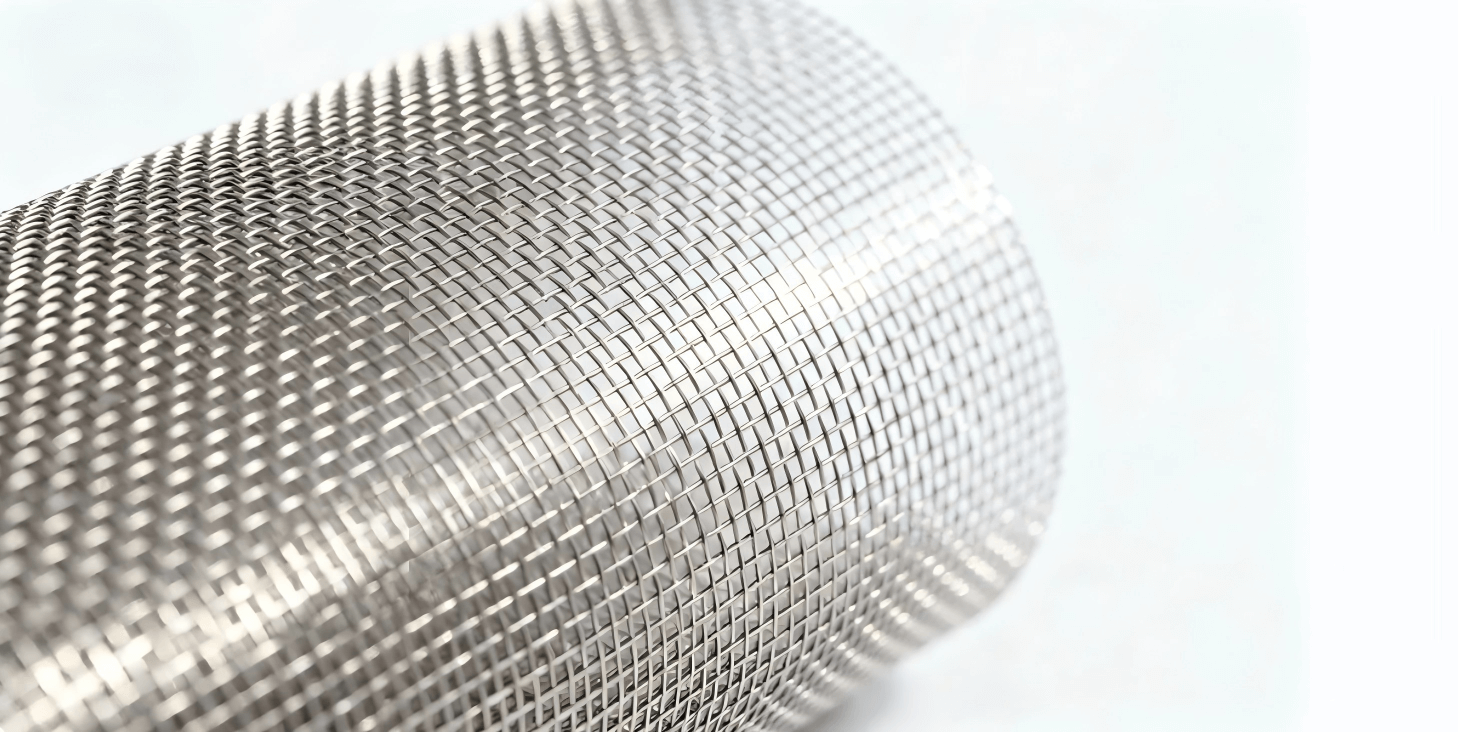
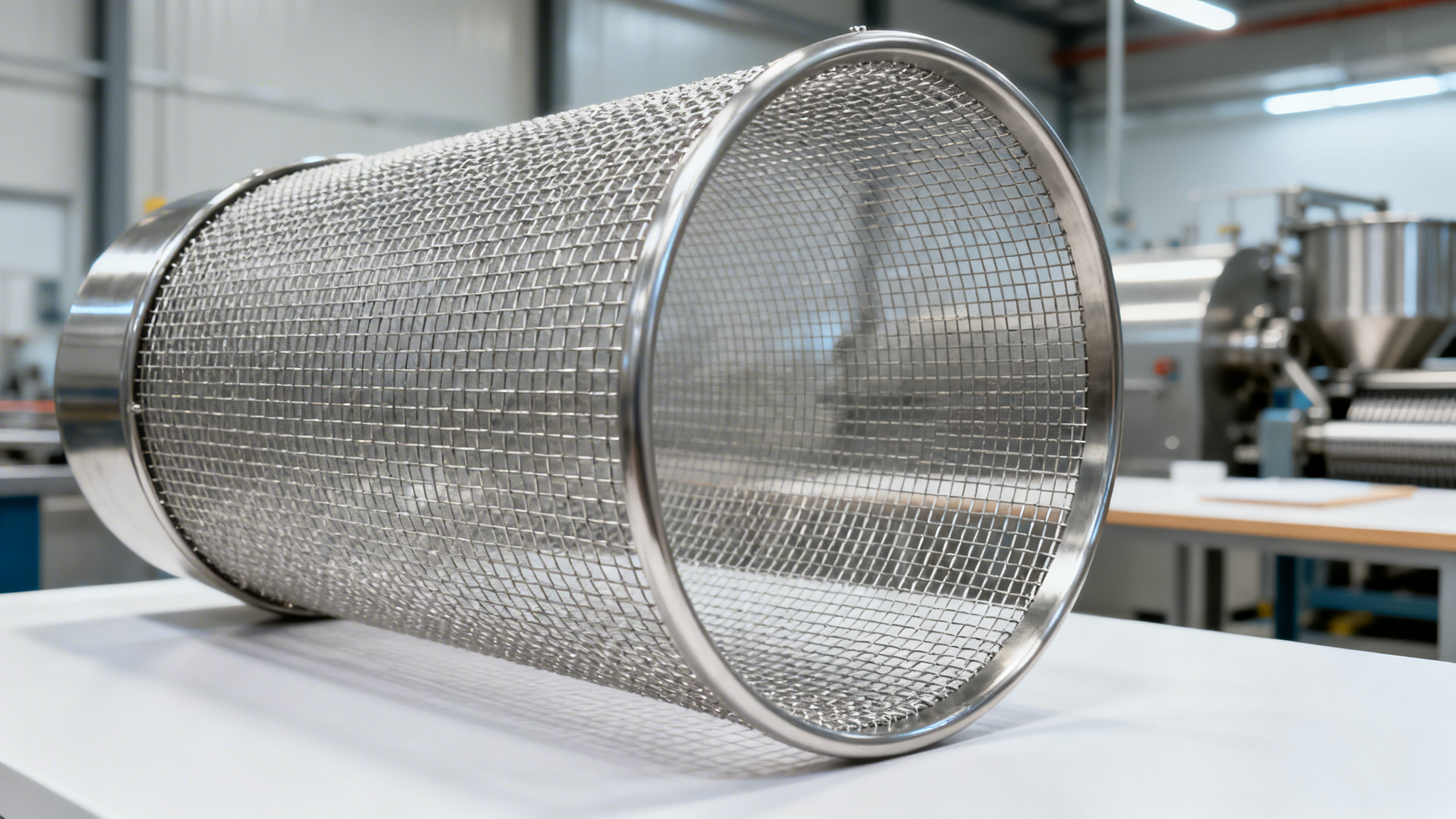
Food grade stainless steel wire mesh refers to woven or welded mesh products manufactured from stainless steel alloys that adhere to strict food safety standards. These standards—such as the U.S. FDA’s 21 CFR Part 177.2600, EU’s 1935/2004, and Germany’s LFGB—ensure the mesh is non-toxic, non-reactive, and safe for direct contact with food.
Key properties of food grade stainless steel wire mesh include:
- Corrosion resistance: Resists damage from acidic, alkaline, and salty food products, preventing contamination.
- High temperature tolerance: Withstands sterilization processes (like autoclaving) and high-heat processing steps.
- Easy cleanability: Smooth surface and lack of crevices reduce bacterial growth and simplify sanitation.
- Durability: Long service life, reducing replacement costs and downtime.
Common material grades used include 304 (general-purpose, ideal for most food processing), 316 (enhanced corrosion resistance for seafood, pickles, and acidic foods), and 316L (low-carbon variant for welding and high-temperature applications).
Key Applications of Food Grade Stainless Steel Wire Mesh in Food Processing
The versatility of food grade stainless steel wire mesh makes it suitable for a wide range of food processing tasks. Below are the most common applications:
Filtration & Separation
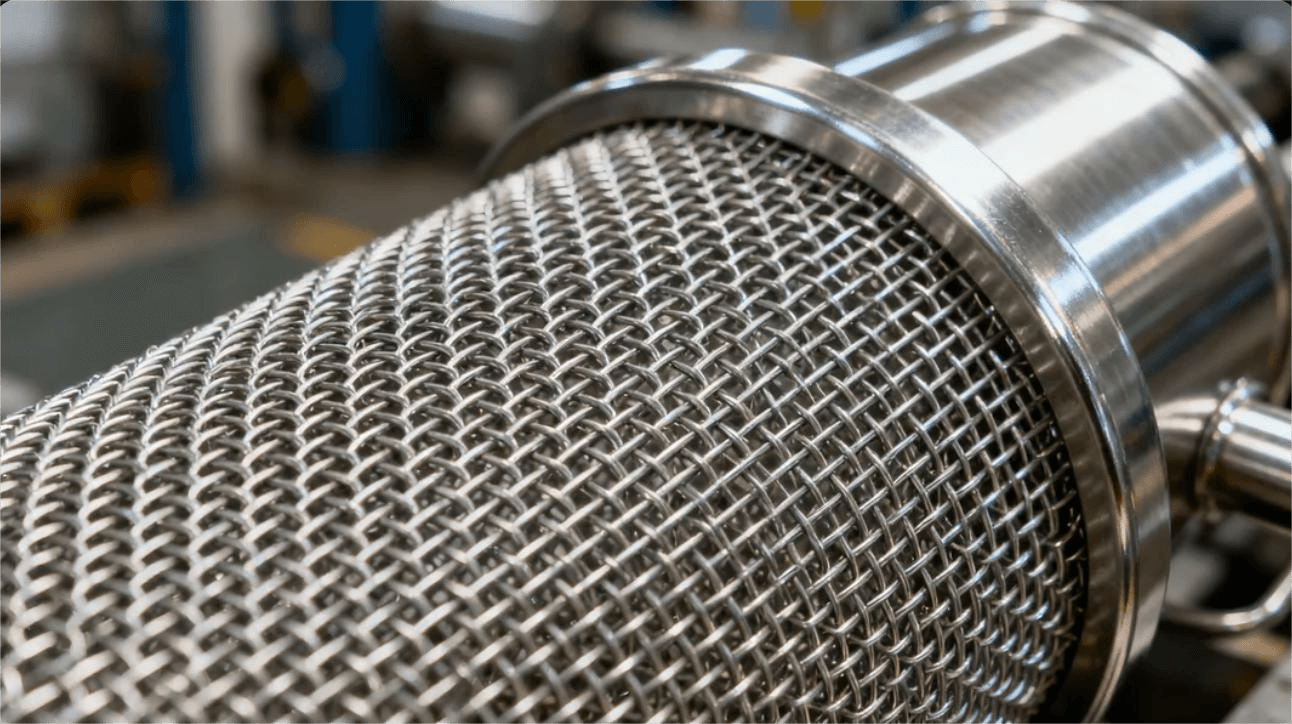
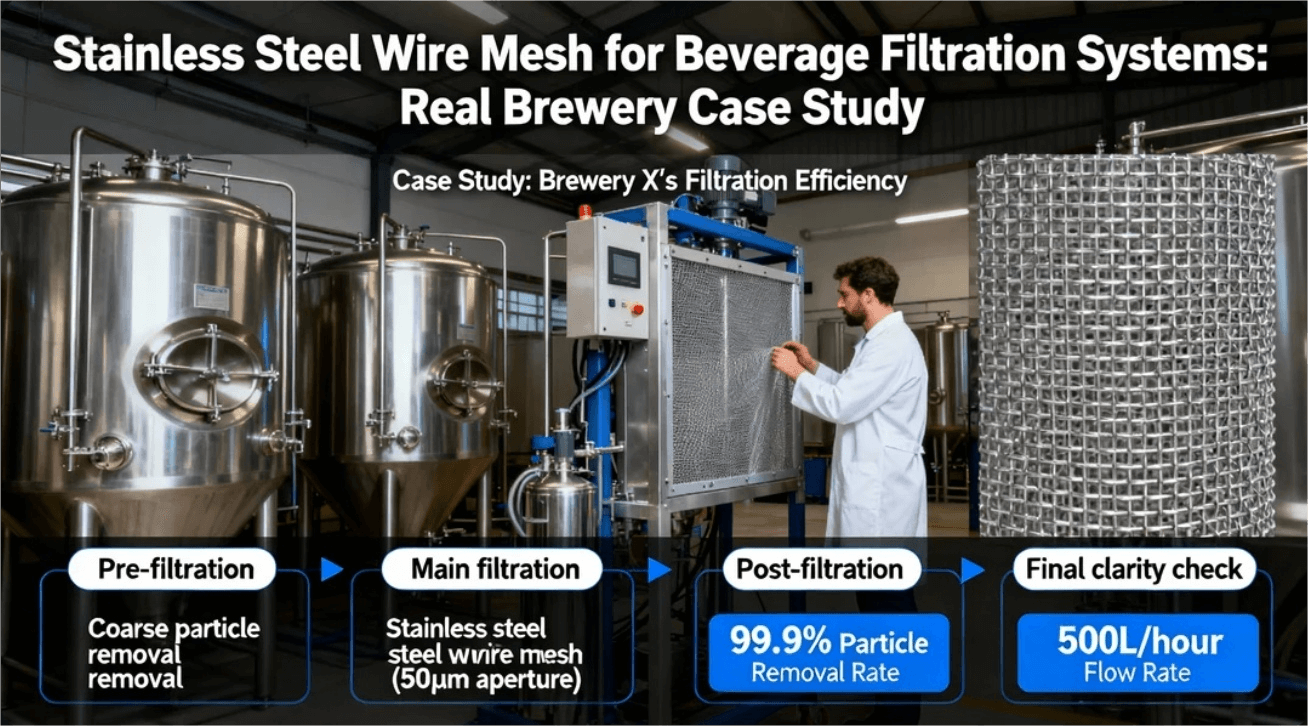
Filtration is one of the primary uses of food grade wire mesh, helping remove impurities and separate solids from liquids. Examples include:
- Clarifying fruit juices and vegetable purees to eliminate pulp, seeds, and sediment.
- Filtering edible oils (like olive oil or sunflower oil) to remove particulates and contaminants.
- Separating whey from curd in cheese manufacturing and yogurt production.
- Removing hop residues and yeast from beer during brewing.
Sieving & Sorting
Wire mesh is used to sort food products by size, ensuring uniformity and quality. Applications include:
- Sieving flour and baking mixes to remove lumps and achieve a fine texture.
- Sorting grains (wheat, rice), pulses (beans, lentils), and nuts (almonds, walnuts) by diameter.
- Grading dried fruits (raisins, dates) for consistent sizing in packaging.
Protection & Safety
Mesh screens and guards play a vital role in maintaining food safety and worker protection:
- Conveyor belt mesh: Prevents foreign objects (like metal fragments) from entering the product stream.
- Equipment guards: Safety mesh covers for machinery (mixers, grinders) to protect workers while allowing airflow and visibility.
- Storage bin covers: Mesh lids to keep pests (insects, rodents) out of food storage containers without blocking ventilation.
Technical Specifications to Consider When Choosing a Supplier
Selecting the right food grade wire mesh requires evaluating key technical parameters to match your processing needs:
- Mesh Size: Measured in openings per inch (ppi) or millimeters (mm). For example, 20 ppi mesh is used for sieving flour, while 100 ppi is ideal for fine liquid filtration.
- Wire Gauge: Thickness of the wire. Thicker gauges (lower numbers) are more durable for heavy-duty applications (like sieving grains), while thinner gauges are better for fine filtration.
- Material Grade: Choose 304 for general use, 316 for acidic/salty foods, and 316L for high-temperature or welded applications.
- Surface Finish: Polished or electro-polished finishes reduce bacterial adhesion and ease cleaning. Electro-polished surfaces offer higher hygiene standards.
- Compliance Certifications: Ensure the mesh has valid certifications (FDA, EU 1935/2004) to meet regional food safety regulations.
Emerging Trends in Food Grade Wire Mesh for Processing
The food processing industry is evolving, and food grade wire mesh suppliers are adapting to meet new demands:
- Sustainability: Suppliers are increasingly using recycled stainless steel to reduce environmental impact. Additionally, mesh designs are optimized for easy recycling at the end of their lifecycle.
- Customization: Tailored mesh solutions (custom sizes, shapes, and configurations) are becoming more common to fit unique processing equipment and product lines.
- Antimicrobial Coatings: Advanced coatings (like silver ion or zinc oxide) are being applied to mesh to inhibit bacterial growth, reducing sanitation frequency and improving food safety.
- Smart Mesh Technology: Integration of sensors (temperature, pressure, or contamination sensors) into mesh products allows real-time monitoring of processing conditions, enabling predictive maintenance and quality control.
How to Select a Reliable Food Grade Stainless Steel Wire Mesh Supplier
Choosing a trusted supplier is critical to ensuring the quality and safety of your food grade wire mesh. Here are key factors to consider:
- Certifications: Verify that the supplier holds valid food safety certifications (FDA, EU 1935/2004) and quality management systems (ISO 9001).
- Quality Control: Ask about their testing processes—including corrosion resistance tests, mesh size accuracy checks, and material composition analysis.
- Production Capacity: Ensure the supplier can meet your volume requirements, whether you need small batches or large-scale orders.
- Technical Support: Look for suppliers that offer expert advice (e.g., recommending the right mesh grade/size for your application) and after-sales support (maintenance tips, troubleshooting).
- Customization Capabilities: If you need unique mesh designs, confirm the supplier can provide custom solutions tailored to your specific needs.
FAQ About Food Grade Stainless Steel Wire Mesh
Q: Is food grade stainless steel wire mesh resistant to acidic foods?
A: Yes. Grades like 316 and 316L are highly resistant to acidic and salty foods, making them ideal for processing pickles, seafood, and citrus juices. 304 grade is also resistant but may not be suitable for prolonged exposure to strong acids.
Q: How often should I clean food grade wire mesh?
A: Cleaning frequency depends on the application. For high-risk processes (e.g., dairy), daily cleaning with food-safe detergents is recommended. For less frequent use, clean after each batch. Always follow the supplier’s maintenance guidelines.
Q: Can I get custom-sized mesh from a supplier?
A: Most reputable suppliers offer custom mesh sizes, wire gauges, and shapes. Provide detailed specifications (dimensions, mesh size, material grade) to ensure the product meets your needs.
Q: What certifications should I look for in a supplier?
A: Key certifications include FDA 21 CFR Part 177.2600 (U.S.), EU 1935/2004 (Europe), LFGB (Germany), and NSF International (global). These certifications confirm the mesh meets strict food safety standards.
Food grade stainless steel wire mesh is an indispensable tool in food processing, ensuring product safety, quality, and compliance. By understanding its properties, applications, and trends, businesses can select the right mesh and supplier to optimize their operations. Whether you need filtration, sieving, or safety solutions, partnering with a reliable supplier will help you meet your processing goals efficiently and safely.