Metal Wire Mesh Solutions for Plastic Soft Packaging: A Comprehensive Guide
Metal wire mesh solutions for plastic soft packaging refer to interwoven metal wire structures designed to enhance the functionality, safety, and efficiency of flexible plastic packaging systems. These solutions are widely used in food, beverage, and industrial packaging to address key challenges like product contamination, structural integrity, and production line efficiency. Whether you’re filtering liquids before filling pouches or reinforcing heavy-duty plastic bags, the right metal wire mesh can transform your packaging process.
What Is Metal Wire Mesh for Plastic Soft Packaging?
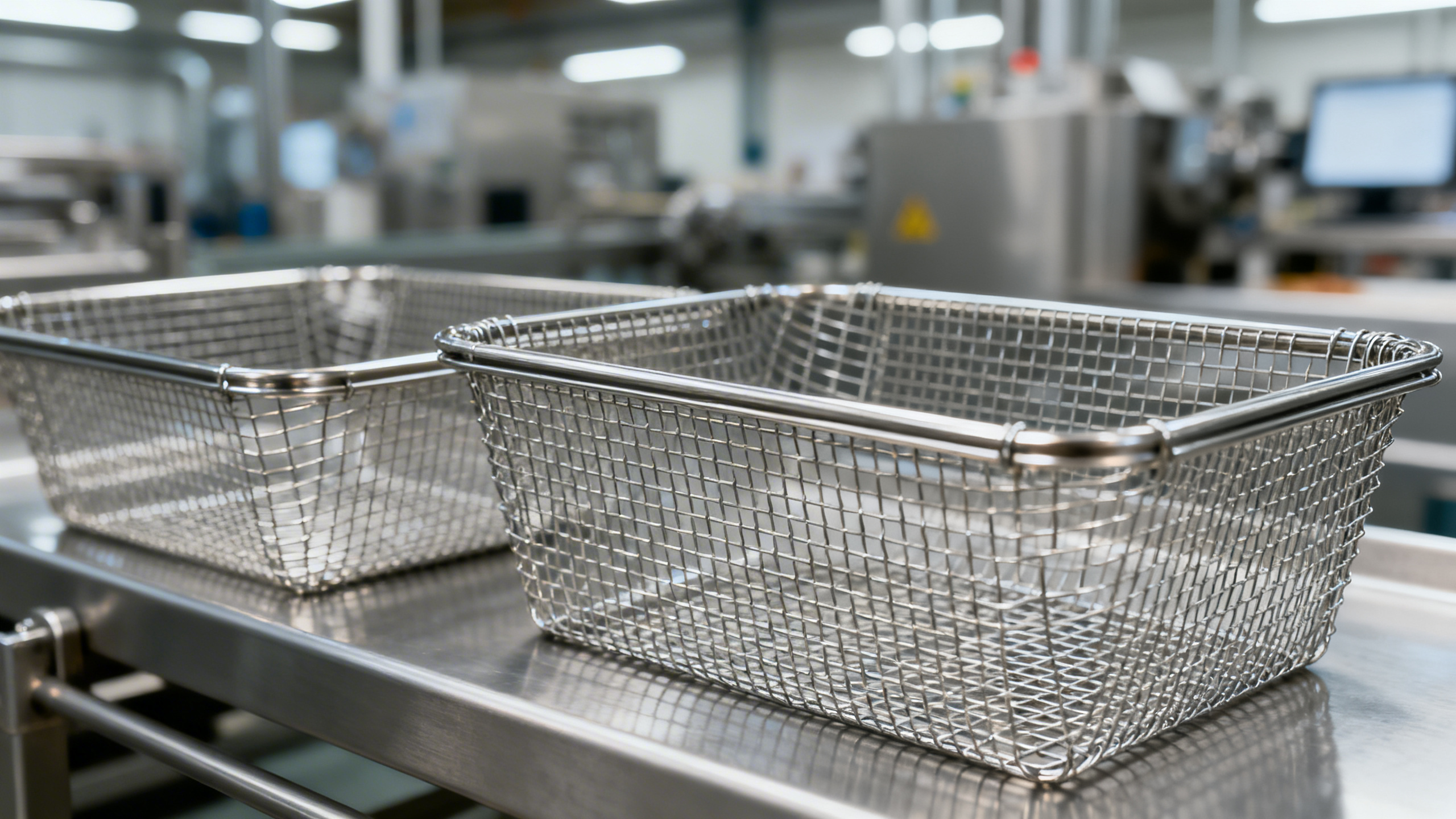
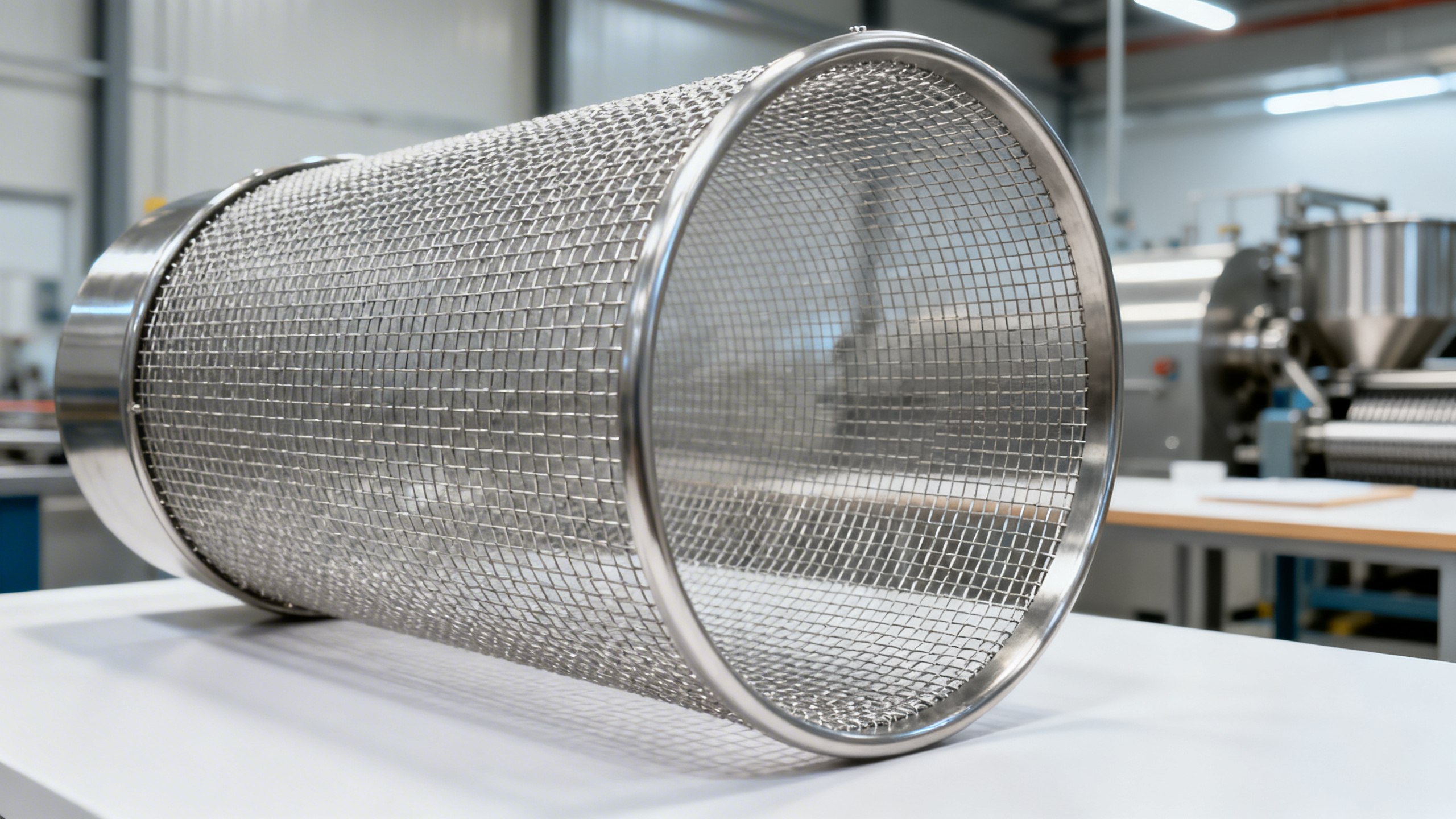
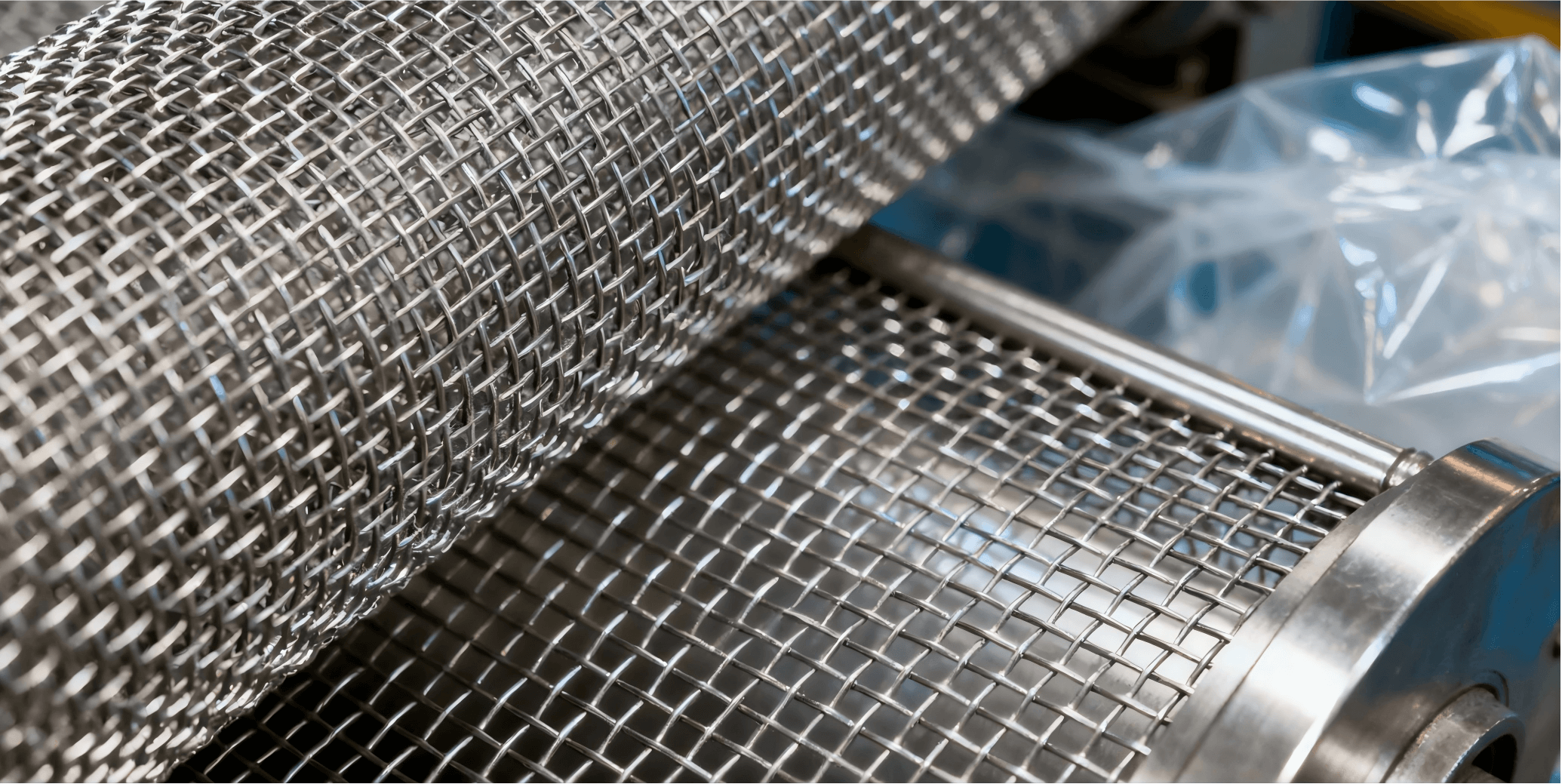
Metal wire mesh for plastic soft packaging is a grid-like structure made from interwoven metal wires, typically using materials like 304 stainless steel or galvanized steel. It serves three core purposes: filtration (removing impurities from liquids or semi-solids), reinforcement (adding strength to flexible packaging), and support (maintaining product shape during processing). This mesh complies with industry standards such as ASTM A240 for stainless steel and FDA 21 CFR 177.2600 for food contact applications.
Unlike plastic alternatives, metal wire mesh offers superior durability and reusability, making it a cost-effective choice for long-term production lines. It can withstand high temperatures and harsh cleaning agents, which is critical for maintaining hygiene in food packaging facilities.
Key Applications of Metal Wire Mesh in Plastic Soft Packaging
Metal wire mesh solutions for plastic soft packaging are versatile, with applications spanning multiple stages of the packaging process. Below are the most common uses:
Filtration in Liquid Packaging Lines
One of the primary uses is filtering liquids (like fruit juices, sauces, or dairy products) before they are filled into soft pouches. This step removes small particles, debris, or contaminants that could affect product quality or shelf life. For example, 20-40 mesh stainless steel wire mesh is commonly used in juice packaging lines to ensure clarity and safety.
Reinforcement of Heavy-Duty Plastic Bags
Heavy-duty plastic bags (used for grains, chemicals, or construction materials) often require reinforcement to prevent tearing during transport. Galvanized steel wire mesh is embedded into the bag’s structure to add tensile strength, reducing the risk of product spillage. This application is particularly common in industrial packaging where durability is non-negotiable.
Support for Vacuum-Sealed Products
Vacuum-sealed soft pouches (like meat, fish, or ready-to-eat meals) use metal wire mesh as a separator between the product and packaging machine surfaces. This prevents the pouch from sticking to heated seals and maintains its shape during the vacuum process. The mesh also allows for uniform heat distribution, ensuring a secure seal.
What Are the Benefits of Using Metal Wire Mesh in Plastic Soft Packaging?
Using metal wire mesh solutions for plastic soft packaging offers several key benefits that improve both product quality and operational efficiency:
Enhanced Product Safety: Food-grade stainless steel mesh (304 or 316) complies with FDA standards, ensuring no harmful substances leach into food products. This is critical for maintaining consumer trust and regulatory compliance.
Durability & Reusability: Metal wire mesh can withstand repeated use and cleaning, reducing waste and operational costs. Unlike disposable plastic filters, it lasts for months or even years with proper maintenance.
Improved Production Efficiency: High-quality mesh reduces downtime due to clogging or damage, allowing production lines to run smoothly. For example, a 40-mesh stainless steel filter can process up to 500 liters of liquid per hour without needing replacement.
Customizability: Mesh size, wire diameter, and material can be tailored to specific packaging needs. This flexibility makes it suitable for a wide range of products, from delicate juices to heavy industrial materials.
How to Choose the Right Metal Wire Mesh for Plastic Soft Packaging?
Choosing the right metal wire mesh depends on your application type, material compatibility, and regulatory requirements. Below are key factors to consider:
Material Selection: For food contact applications, opt for 304 stainless steel (corrosion-resistant and FDA-approved). For industrial packaging, galvanized steel is a cost-effective alternative. 316 stainless steel is ideal for acidic or high-moisture products.
Mesh Size: Mesh size (number of wires per inch) determines the filtration or reinforcement capability. For filtration: 20-40 mesh; for reinforcement:10-15 mesh; for support:15-20 mesh.
Wire Diameter: Thicker wires (1.0-1.2mm) are used for reinforcement, while thinner wires (0.5-0.8mm) are better for filtration. The diameter should balance strength and flow rate.
| Application Type | Recommended Material | Mesh Size | Wire Diameter |
|---|---|---|---|
| Liquid Filtration (Juices/Sauces) | 304 Stainless Steel | 20-40 Mesh | 0.5-0.8mm |
| Heavy-Duty Bag Reinforcement | Galvanized Steel | 10-15 Mesh | 1.0-1.2mm |
| Vacuum Pouch Support | 304 Stainless Steel | 15-20 Mesh | 0.8-1.0mm |
Real-World Case Study: Bekaert’s Metal Wire Mesh in Food Packaging
Bekaert, a global leader in metal wire products, provides metal wire mesh solutions for plastic soft packaging to a leading European fruit juice manufacturer. The manufacturer needed a reliable filtration system to remove pulp and debris from apple juice before filling into pouches.
Bekaert supplied 304 stainless steel mesh with a 30-mesh size and 0.6mm wire diameter. This solution reduced impurity levels by 95% (per Bekaert’s case study) and improved production efficiency by 12% due to fewer filter changes. The mesh also complied with FDA food contact standards, ensuring the juice was safe for consumption. You can learn more about this case on Bekaert’s official website
FAQ About Metal Wire Mesh for Plastic Soft Packaging
Q1: Is metal wire mesh safe for food contact in plastic soft packaging?
A1: Yes, if made from food-grade materials like 304 stainless steel (compliant with FDA 21 CFR 177.2600). It does not leach harmful substances and is easy to clean, making it ideal for food packaging.